The good speaker
Same words. Eye contact, pace, and meaning.
Five sessions of public speaking, taught the way performers learn it. Not theory, not a worksheet. Every single session ends with your child standing up and speaking to a room.
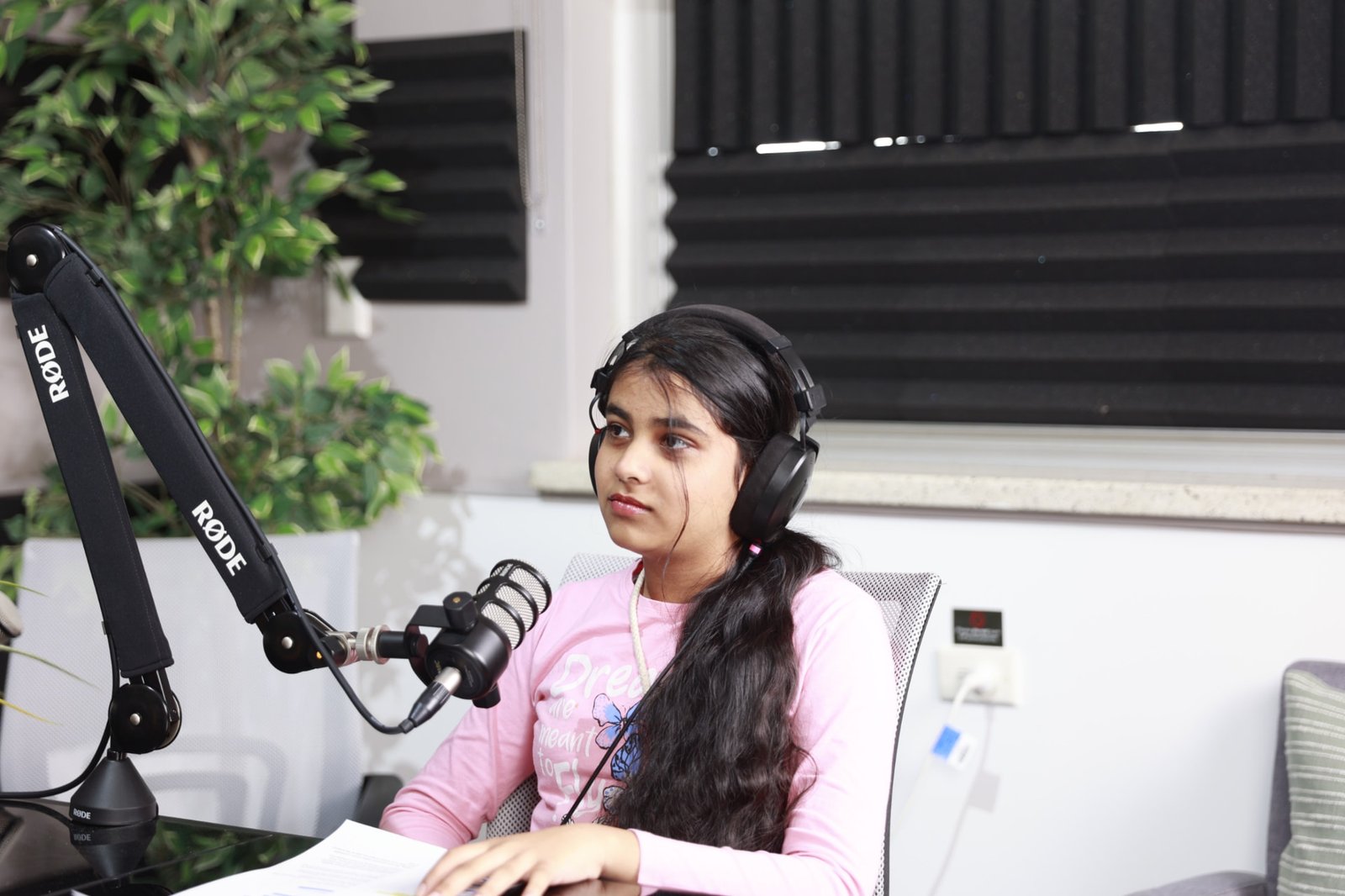
In the very first session, students watch these two films back to back. The words are identical. Everything that matters is different. Learning to hear that gap is where the whole course starts.
Same words. Eye contact, pace, and meaning.
Eyes down. Flat voice. No expression.
Every technique in the course is taught this way. Students watch it done badly, watch it done well, work out the difference themselves, then do it.
The same shape every session, so students always know what is coming. Ninety minutes, and they are on their feet by the end of it.
Choose by what your child can already do. Each level is a complete five session course.
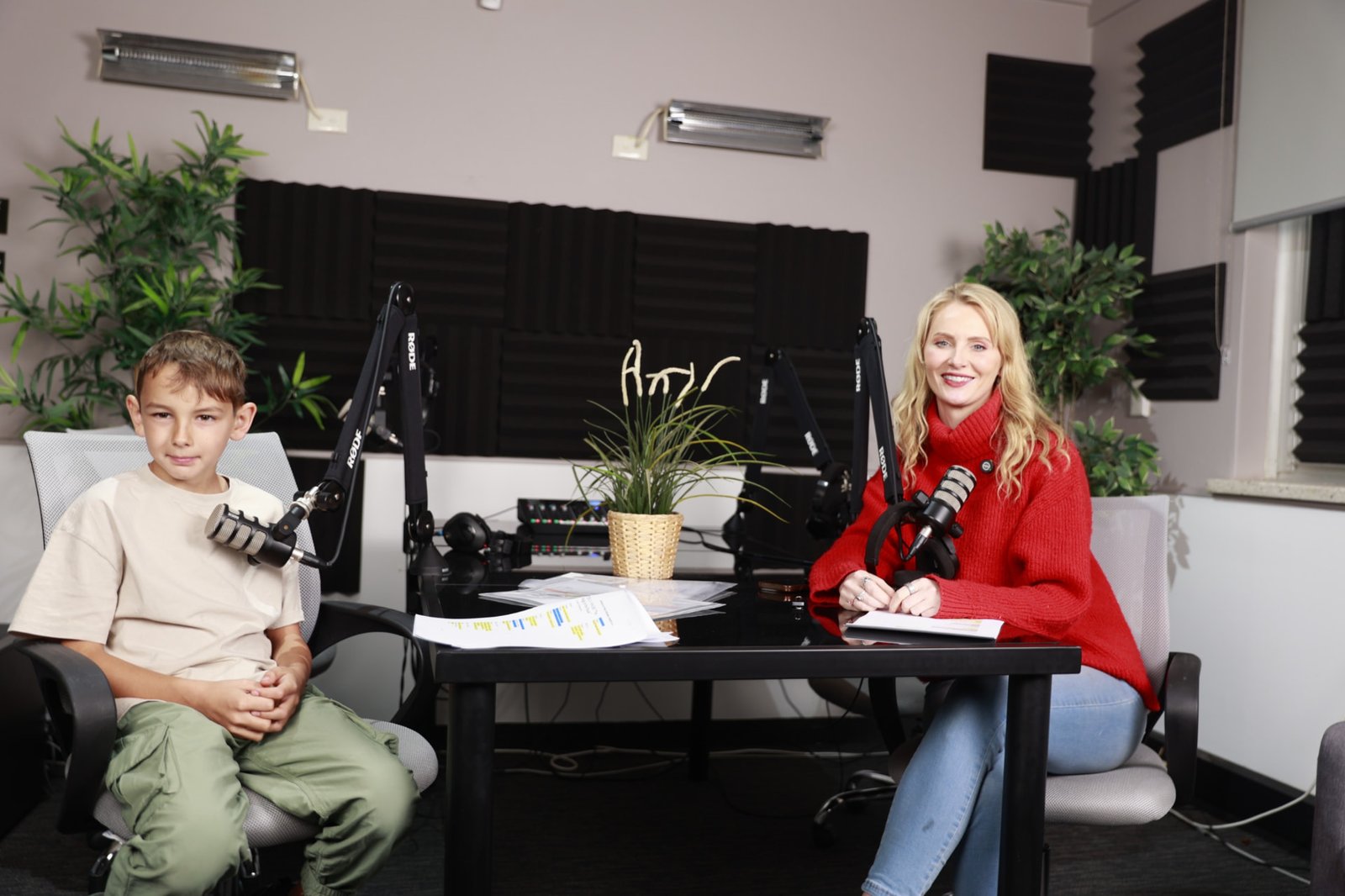
Grades 3-5 · $195.00
For the student who goes quiet when the room looks at them. Starts from the beginning, gently. In session one they speak for sixty seconds about themselves, and most of them are surprised they managed it.
Grades 6-8 · $195.00
For the student who can hold a room and now wants to win the argument. Assumes the basics and pushes into persuasion, evidence and competition-standard delivery. The final speech is built to be entered somewhere.
Each session adds one thing and keeps everything before it.
What public speaking actually is, and the three rules everything rests on.
Volume, pace, pause, pitch and expression, one at a time.
Answering on the spot without panicking, using STAR and PREP.
Why a story sticks when a list of facts does not.
The three jobs a speech can do, and how to change a mind. Ends with their own short speech to an audience.
What public speaking really is, and what separates a compelling speaker from a forgettable one.
Volume, pace, pause, pitch and expression, used deliberately so a delivery lands.
Answering under real pressure, with STAR for composure and PREP for structure.
Why a story is remembered when a list of facts is not, and how timing carries it.
The three purposes of speaking, and building an argument that holds up with evidence.
Not a vague "they did well". A performance every session, and a self-check they can read.
Your child delivers their "My Best Day Ever" story for about two minutes, speaking from notes rather than reading. Afterwards they check their own delivery: projecting to the whole room, eye contact held, timing and expression used deliberately, and a final line that lands rather than trails off.
A one-minute case from their own notes: opinion, reasons, example, opinion again. They check whether the reasons were backed by evidence rather than feelings, and whether the example was concrete. The class votes on the most convincing argument, even where they disagree with it.
Everything your child needs. Nothing extra to buy.
That is exactly who the Beginner level is built for. Session one asks for sixty seconds about themselves, to a small group, after a warm-up game. Nobody is thrown in front of an audience on day one.
None for Beginner. For Advanced, they should already be comfortable speaking in front of a class and want to push into argument and evidence.
Yes. Performances can be delivered live in class or over a video link, and the workbook for every session runs in a browser.
Five workbooks they keep, a story and a persuasive argument they wrote themselves, and the experience of having stood up and spoken to an audience five sessions running.
If speaking up is the hard part, Beginner. If the hard part is being convincing, Advanced.